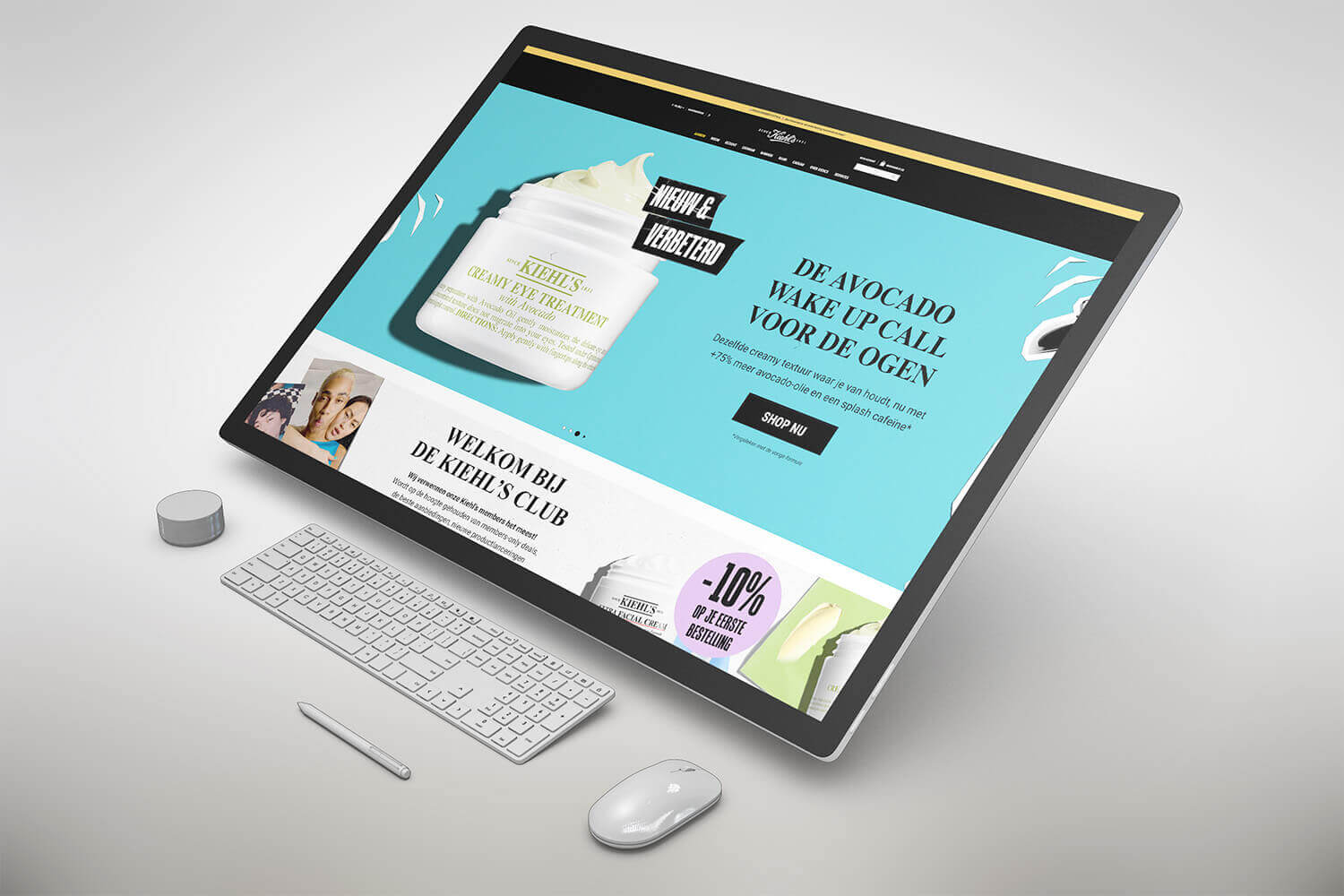
Driving Digital Growth for L’Oreal’s Leading Brands
Building a Stronger Digital Future
As a global leader in beauty, L’Oreal Group sought to strengthen the online presence and conversion rates for several of its daughter companies. I was brought in to lead a comprehensive initiative aimed at optimizing these digital platforms and driving growth across multiple brands under the L’Oreal umbrella.
My role encompassed a wide range of responsibilities, starting with heuristic research to identify key areas for improvement. Based on these insights, I developed detailed optimization reports and implemented a series of ongoing A/B tests as part of a continuous CRO trajectory. My focus was on creating designs that enhanced the user experience, ensuring that each website not only met but exceeded the expectations of L’Oreal’s diverse customer base.
In addition to hands-on optimization, I also took on the role of mentor, training L’Oreal’s internal staff on how to effectively set up and run A/B tests. This knowledge transfer was crucial in empowering their team to maintain and build upon the improvements we achieved together.
A particularly exciting aspect of this project was collaborating with a dedicated team on developing a Voice application for Vichy, one of L’Oreal’s prominent brands. This innovative project highlighted L’Oreal’s commitment to staying at the forefront of digital trends, and I was proud to contribute to its success.
Balancing L’Oreal’s Global Identity with Effective Regional Changes
One of the most significant challenges I encountered while working with L’Oreal was the inherent complexity of implementing changes within a major international corporation. L’Oreal is deeply committed to maintaining a consistent brand identity across the globe, which means that even the smallest alterations in copy, design style, or color must be approved by headquarters. This approval process is not only time-consuming but also presents the risk that a change beneficial in one region might not be as effective, or even detrimental, in another. As a result, receiving a “No” to change requests became a frequent occurrence.
To navigate this challenge, I employed two key strategies:
Leveraging Low-Hanging Fruits:
The first approach was to focus on smaller, incremental changes (low-hanging fruits) that could be implemented by individual domains without requiring approval from headquarters. These adjustments included repositioning elements on the page, and making other minor but meaningful improvements. By concentrating on changes that didn’t require the slow, centralized approval process, we were able to quickly optimize the user experience and see positive results.
Building Strong Cases Through Big Impact Tests:
The second approach involved diving deep into the core issues identified through heuristic research and analytics. We concentrated on running big, impactful A/B tests that had the potential to bring about significant improvements. While not every test result was a home run, the ones that succeeded made an enormous impact. These strong, data-backed results provided us with the leverage needed to make compelling cases to headquarters for approval.
When a test demonstrated substantial gains, it garnered the attention of headquarters, who are keen to focus on strategies with proven potential for significant change. Although they still required these winning results to be verified through additional tests in other countries and domains, the cases we presented were at the top of the priority list.
Headquarters preferred to dedicate their resources to impactful ideas rather than minor adjustments, and by delivering these “big guns,” we ensured that our most successful tests received the green light for broader implementation.